

From the Earth, Heart, Eye ,Soul ,to the Wall
From the Earth, Heart, Eye ,Soul ,to the Wall
From the Earth, Heart, Eye ,Soul ,to the Wall
From the Earth, Heart, Eye ,Soul ,to the Wall
From the Earth, Heart, Eye ,Soul ,to the Wall
From the Earth, Heart, Eye ,Soul ,to the Wall
From the Earth, Heart, Eye ,Soul ,to the Wall
From the Earth, Heart, Eye ,Soul ,to the Wall


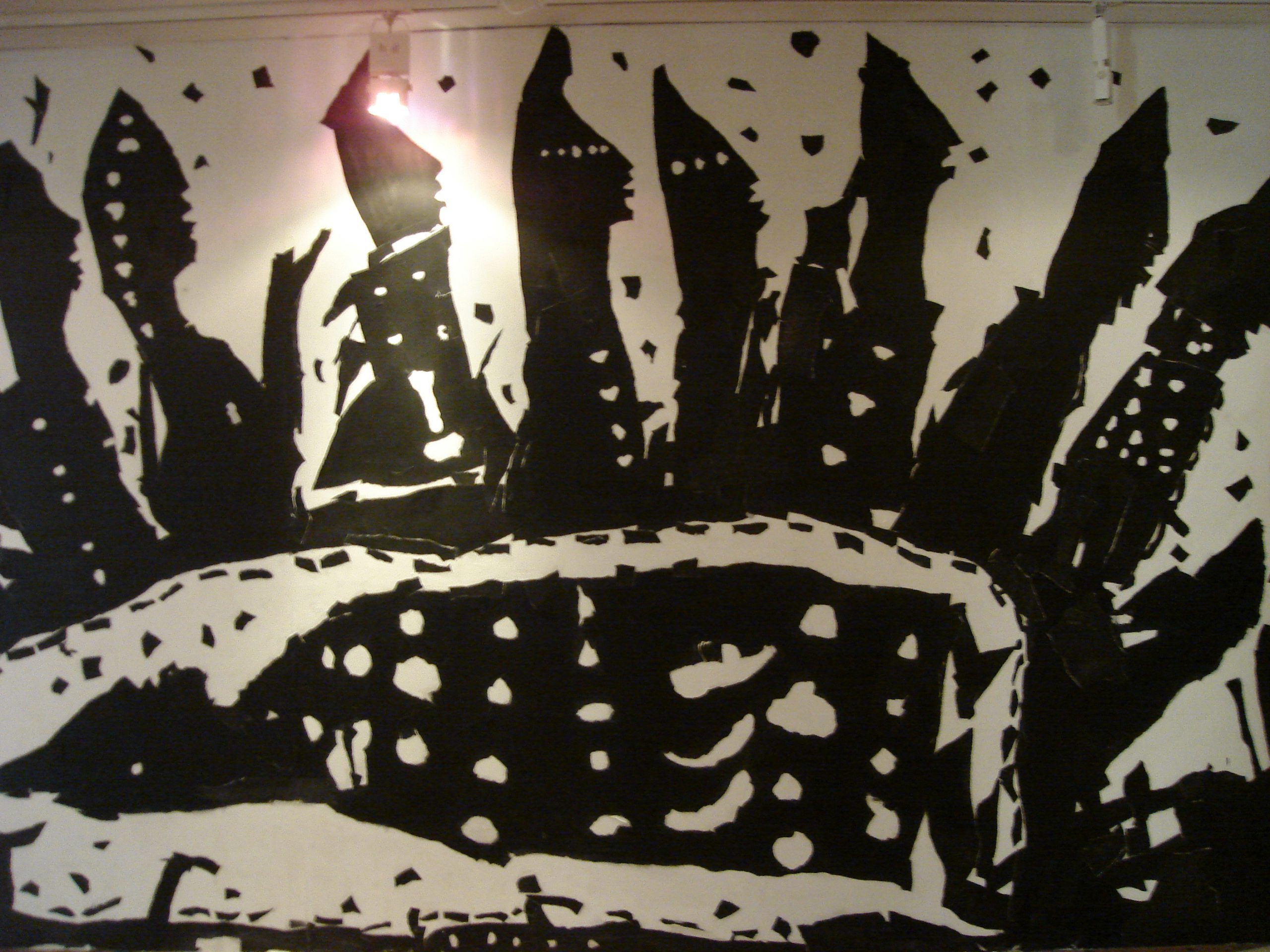
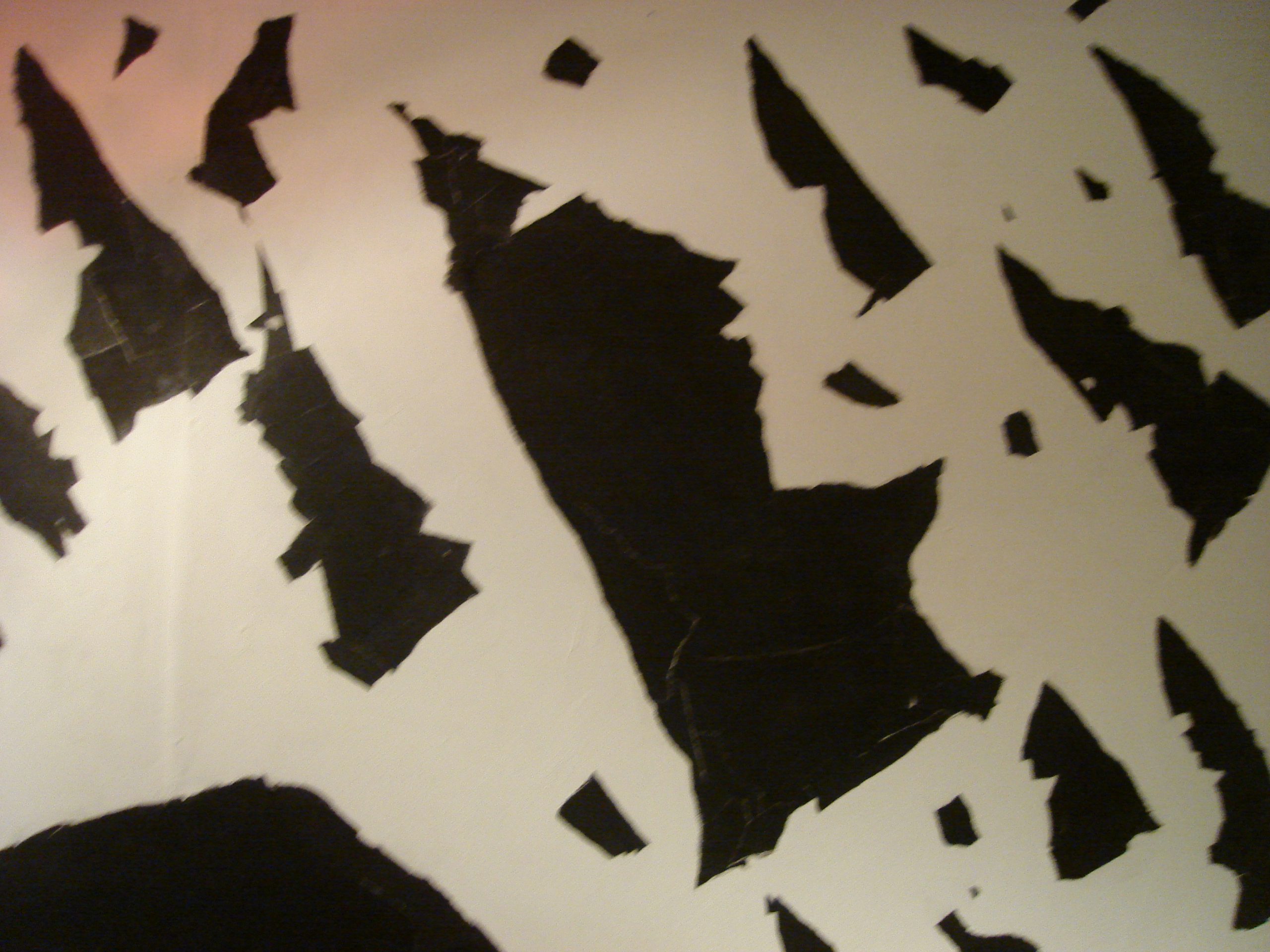 The first signals of this work’s axes and mechanisms emerge as an act of preparing primary inputs and driving forces for stable levels of expression. I am in constant search for horizontal and vertical movements and spatial voids that seek a new birth—one tied to me, where I am the true agent in completing partial or whole spectra and forms. These forms arise through the narrative relationship between myself and the scene.My impulse is to possess the diagnostic presence of signs, marks, and semiological elements that reside in memory, place, and time. They intertwine in proliferating dualities, massing into complete walls and surfaces that carry existence. Within their signification lie ideological, structural, and sociological dimensions—dimensions embed ded in society and linked to the cultural inheritance of Egyptian civilization.Yet social, economic, and political changes generate their own signs and material-consumer outputs. These constitute the context of a new Egyptian social reality, one that gathers multiple analytical divisions: change and stability, dynamics and statics, methodological individualism and collective agency, objectivity and subjectivity, facts and values, materialism and idealism. These relations represent, for me, a re-reading and re-formulation of life patterns and forms of material and immaterial culture within Egyptian society.I hold philosophical and contemplative impressions concerned with recording the conscious and the unconscious. They are linked to manifestations of the morphological image—where the image becomes a new search for narrative means that produce a visible effect in the receiver’s mind: surprise, astonishment, tension, or the presence of traces tied to memories or to daily, lived narratives. All of this bears the quality of social and cultural change in the Egyptian street.My constant engagement with embodying symbolic and spiritual energies, and with visual changes and transformations, departs from diagnostic values. It enacts a mental and sensory transcendence of the mode of performance. This is what defines the creative experience and its primary inputs for me. Freedom is the foremost condition in activating visual, formal, and performative readings. Its importance lies in how I approach expressive narrative methods and summon signs, marks, and elements into walls and spatial voids. These spaces hold reciprocal, activating relations that convert spiritual, affective, and symbolic aspects into tangible material ones. Freedom enables an implicit dialogue to discover different ways of driving, moving, and re-formulating the primary inputs to begin composing the scene.Then come the performative signs, signifieds, and connotations that help embody everything within my organizational, philosophical, and thematic framework. They propose the structural and compositional vocabularies of t ts, which in turn guide and analyze the fundamental inputs and axes of the project.1. Signals of Intellectual and Philosophical TreatmentFor me, this is an attempt to monitor the cultural and social change that accompanies Egyptian society. I trace this change through a sequential image of the contemporary art scene—one that can be followed across the continuity of modern Egyptian art. I search for specificity in forming the contemporary Egyptian scene. Specificity is dynamic, not static.The historical periods that shaped modern Egyptian art searched for identity, contemporaneity, civilizational and popular heritage… expressing authenticity within a strong Egyptian character. Or they searched through experimentation and modernization—deriving vocabularies of historical continuity with the roots of Egyptian civilization. All are features and axes of change within the context of experimental solutions for intellectual trends and diverse artistic schools in modern Egyptian art.Thus, I search for signals of a contemporary philosophical formulation to define the sociological frameworks of the Egyptian character’s components. This happens through historical and cultural monitoring of these components, then through interaction, dialogue, and social-cultural communication. The aim is a structural and compositional formulation that carries the conceptual model of new changes constituting contemporary Egyptian society.I rely on analyzing and reading the experimental, contemplative, and conceptual method to interlink ideas, subjects, and elements. I combine traditional art—both narrative and non-narrative—with multi-tool creativity and the spirit of postmodern artistic experimentation. This occurs within contemporary principles and discourse that may be dialectical, yet merges present and past into a new scene. This scene has the quality of adventure. It seeks a different formulation in presenting the scene and addresses different possibilities of expression. I enter the artistic experience by searching for a different context for visual, philosophical, and analytical readings of the (immaterial and material) culture surrounding me, within individual and collective experience. Subjective analysis of the intellectual and philosophical treatment is a principal source for choosing the guiding signals for how I enter and begin the creative experience.2. Signals of Narrative and Expressive TreatmentNarrating and expressing the idea can come through expressive figures, or through evocative elements of forms, distances, or varied spatial voids. These are the spirit of expression for me. The significations of signs—their harmony or contradiction—are the explicit and implicit axes of narration. They hold meanings that search for memories, emotions, or symbolic meanings, and the possibilities of expressing all this through narration. Arabic writing, photographic images, audio materials, or the use of different media are among the multiple signals for narrative treatment in the artwork.In my works I attempt to exit the mechanisms of stable performance and to re-formulate the components of structural composition. I search for a different, contemporary way to handle varied modes of narrating the scene—to address it through temporal and future distances, within the frame of an adventure that is neither aesthetically nor temporally calculated. This generally affirms the presence of new or even frustrating results. Yet through attempts at experimentation—and the success or failure of experimental methods and different modes of treatment across multiple expressive media—the results are variable. In their general content, they carry the qualities of research, analysis, and addition.Contemplation of Eastern concepts realizes qualities of reduction and embodiment. Treating the scene as an ancient icon crowded with sacred signs and expressive symbols affirms the quality of exchange and narrative dialogue. This dialogue takes multiple forms: between the sensory and the real and the abstract-geometric, between the apparent and the inward, through different compositional levels in the structure of the work.My interaction with plastic discourse—with its vocabularies implicitly layered with levels of expression—includes a choice: to summarize the essential qualities of the mode of expression. For me, this is a basis for simplification grounded in identifying the signals that address aspects of narration and expression within the artwork’s legitimacy. It helps me address the scenario prepared for sequences of narrative dialogue within the scene. This is a dialogue that combines nostalgic narrative or emotion based on past memories with the summoning of the present and its new variables, within anatomical, intersecting, and connected spaces. These spaces carry the narrative strategies I choose through narrative and expressive treatment.3. Signals of Thematic and Temporal TreatmentThe idea of the work emerges through the repercussions of my previous projects in the field of installation. In those works I relied on the idea of the single scene that carries many detailed structural and compositional components. Through spaces and voids, the scene allows multiple viewing angles for mural drawings or for drawings hung on the wall to occupy the space and surrounding void.An example is the Room Drawings Trilogy (1997–2003). The project drew inspiration from the artistic and civilizational heritage of mural painting and large-scale wall drawings with an iconic, ancient-primitive character. It referenced ancient Egyptian, Coptic, and Islamic arts and popular symbols. It realized the value of using materials and tools in the manner of those earlier traditions—such as the ancient Egyptian use of oxides and colors in coating walls. This method did not change in its transmission and use in the Coptic era from the 4th to the 8th century AD. It shifted in Islamic arts according to function, taking abstract and geometric forms such as gilding with gold leaf or using materials common to those eras.In this current presentation, I derive the philosophical, cultural, and changing components in contemporary sociological constituents of Egyptian customs and traditions. I also work with structural and thematic scenes—elements representing human relations between man and woman, or monitoring human and social behavior, and expressing certain Eastern thematic visions.The structural possibilities of figures, depicted things, and the relation between them represent, for me, an understanding of change in the kind of values that reflect changing social conditions. I sense and express them within the scene. There are figures, elements, and entities that may appear as comic figures, clowns, kings, queens, vagabonds, the miserable, saints, gentle ones, savages, metamorphs, and other entities. They can be present in the scene’s environment. At other times there are signals of subjective thematic treatment through direct experience—social and life relations in the street, the alley, memories of old places, interaction with different social classes. These become a source for aspects of expression in the scene and in the formation of the creative work. There is a balance between what is personal and subjective and what exceeds individual and collective experience, in a reciprocal, dialogic, and dynamic relation in addressing the thematic sequences of the composite signals for the methodology of subject and temporal treatment of the scene.4. Signals of Mythic and Ritual TreatmentThe iconic cut appears in most compositional scenes—contemplation, evocation, stillness, intellectual and mental dialogue, the sacred, horizontal and vertical sectors, the combination of place and time. This is a logic parallel to tangible sensory elements between spirit and body. It accompanies the treatment of the mythic or ritual side in popular culture, carried by the roots of Egyptian culture.Ancient icons and Islamic miniatures are all found in the features and traits of the Egyptian character. Rituals and social-popular customs are the principal engine of the contemporary Egyptian person’s movement. Folklore is part of humanity’s heritage; it represents its traditions and the memory of its peoples.For example: the myth of the warrior knight exists in Pharaonic art, riding his horse and stabbing evil represented by “Set.” This knight transfers to Coptic art in the icon of Saint George fighting the dragon that symbolizes the devil. In popular art we find the same knight in Abu Zayd al-Hilali or al-Zir Salem as they challenge different forces of evil. The myth of the knight is found in our current time, but the forms of transition and continuity may differ from culture to culture according to ideological and social changes. Then it may disappear again behind new synonyms, changes, and terms.In this work, the myth is derived from the new contemporary reality and through temporal and spatial treatment that searches for the iconic and ritual content—fixed and changing—in contemporary Egyptian society. Signals of tension, stillness, momentary affect, and the search for truth are also carried. These signals are saturated with coherence and mental-spiritual clarity. They activate ritual treatment within composite moments to summon the signals that lead the composition of the scene.This occurs through sequences of narrative style that are at once pictorial and conceptual. Levels of signification take on the possibility of fading or the merging of forms with one another. This treatment gives the iconic description its symbolic signification for the context of the work’s idea and the scene’s treatment of myth in terms of the ritual difference of the myth’s form.Anecdotes, satirical popular proverbs, jokes that carry popular humor, epics, biographies, and folk tales are all interactive sources and signals. They blend with one another in signals that carry, in their meaning, ancient myths and rituals. They activate the expressive side for me and work on a different, alternative formulation in addressing the contemporary changes accompanying Egyptian culture. Some changes are linked to global culture and can be interacted with through difference, opposition, and multicultural dialogue. This dialogue carries varied signals in the myths and rituals of different peoples’ cultures and sometimes blends with the structural inputs of my artistic practice and the treatment of the scene as a whole.5. Signals of Performative and Technical TreatmentThe techniques of using collage, charcoal, pastel, pastes, colored pigments, glued cutouts, oppositions, repetitions, vertical and horizontal intersections, and the different methods of composition and construction—all the formations used in the mechanisms of execution—work to form a conceptual perspective for performance. For me, they are an implicit engine for the artist’s creative energy before beginning to present the basic inputs for entering the creative experience.The interweaving, entanglement, and interlacing in the crowding of forms within the scene is like activating the spiritual energies of spontaneity—whether this is the spontaneity of intuition or of sensory and affective unconsciousness. Also, emptying creative values of their content and then re-forming them according to new and different mechanisms is like a release of the freedom of expressive narration in accordance with intellectual and thematic communication. It acts as feedback to the components of memory, activating them according to the principal impressions of the scene’s inputs and the work’s different dimensions.For me, media represent the freedom of expression and the ability to address thematic and expressive visions in different forms. Media and its various forms may be a factor in moving drawings and narrating the idea differently. The use of collage photography or other multiple media has the quality of formulating three-dimensional works. The material medium in its different forms can be an axis and factor to affirm formal interconnection in the work, and to achieve the combination between:The whole and the part ,The sensory and the menta ,The geometric and the organ ,The static and the movin ,Black and whiteAll are formal formulations that work to move the angles and projections of the scene and allow me to set the executive conception for the mechanisms of performance. This includes using gradations of a single color, techniques and hatchings of graphitic marks, and multiple projections and viewing angles—such as the bird’s-eye view or angles of moving artificial light.Relying on a single color such as black and its monochromatic gray derivatives affirms the significations of signs and their presence in spaces and voids. The “scenographic unit” represents a panoramic reflection of the project in its total image. It is also based on the sense of discontinuous void and on the existence of changing constructional forms. It transcends the idea of a single stable performative conception in the totality of he scene’s elemen the scen
From the Earth, Heart, Eye ,Soul ,to the Wall
From the Earth, Heart, Eye ,Soul ,to the Wall
From the Earth, Heart, Eye ,Soul ,to the Wall
From the Earth, Heart, Eye ,Soul ,to the Wall
From the Earth, Heart, Eye ,Soul ,to the Wall
From the Earth, Heart, Eye ,Soul ,to the Wall
From the Earth, Heart, Eye ,Soul ,to the Wall
From the Earth, Heart, Eye ,Soul ,to the Wall
Georges Fikry Ibrahim Cairo, October 2007